Add: No.8 Xinxing Street, North Zone, Zhengding High-tech Industrial Development Zone, Hebei, China
CONTACT US
+8615030171059


CONTACT US
+8615030171059
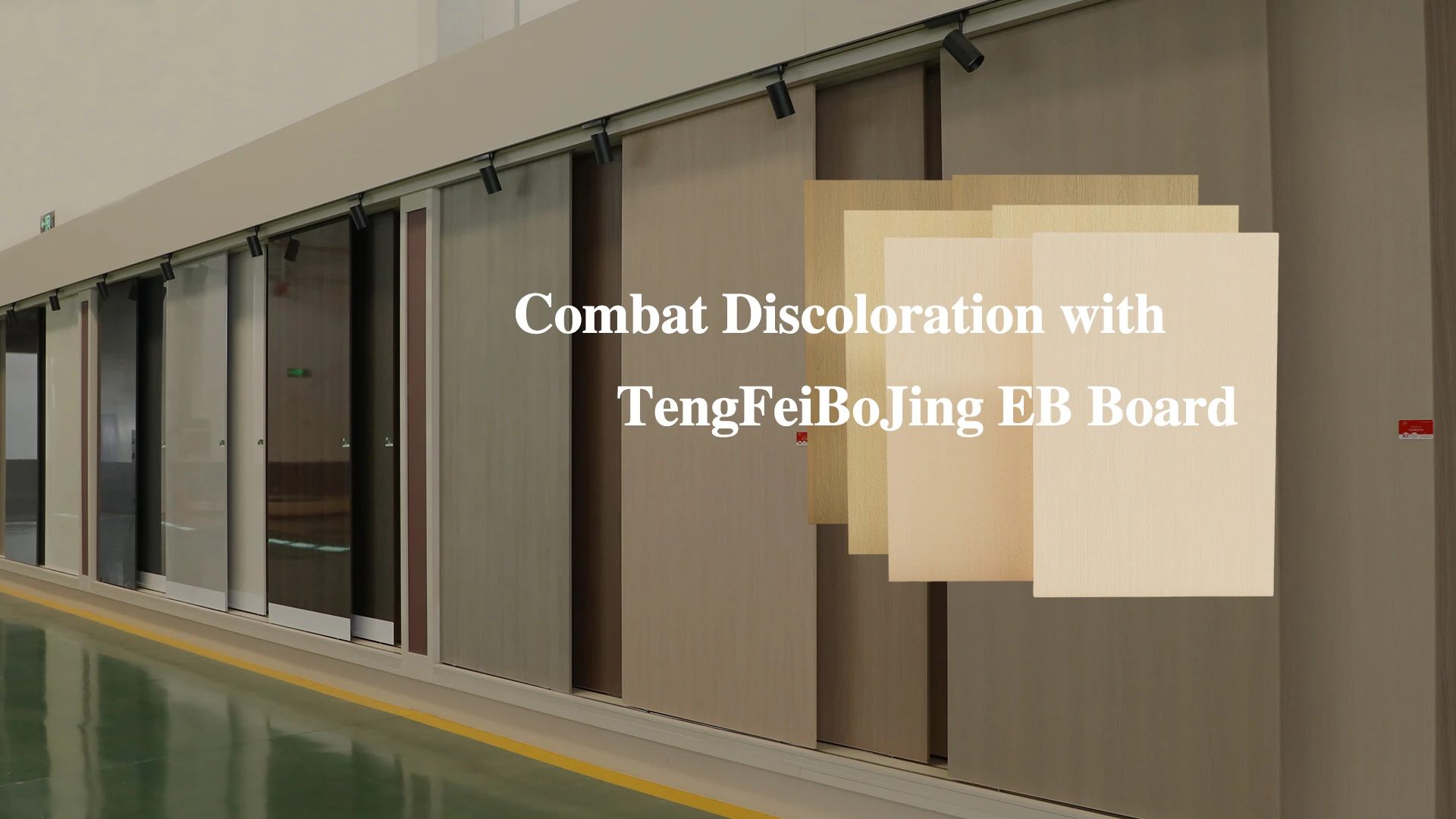
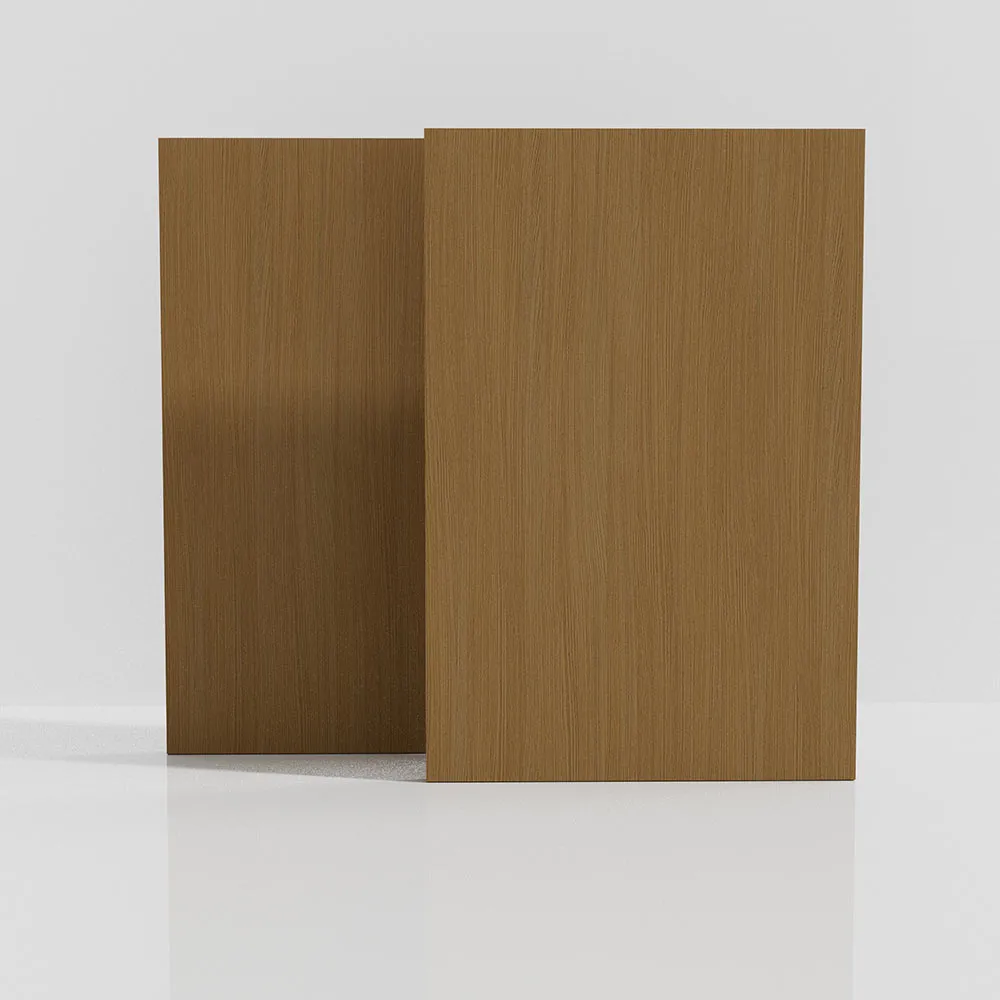
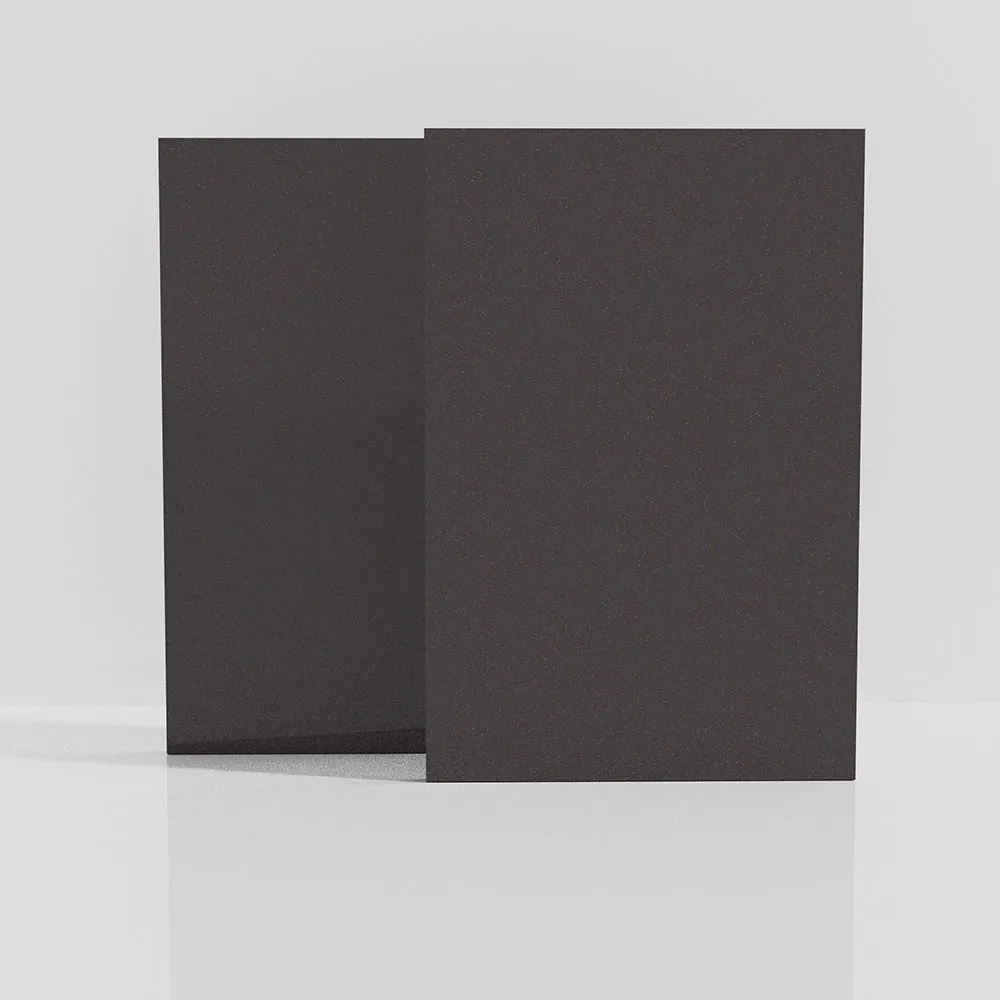
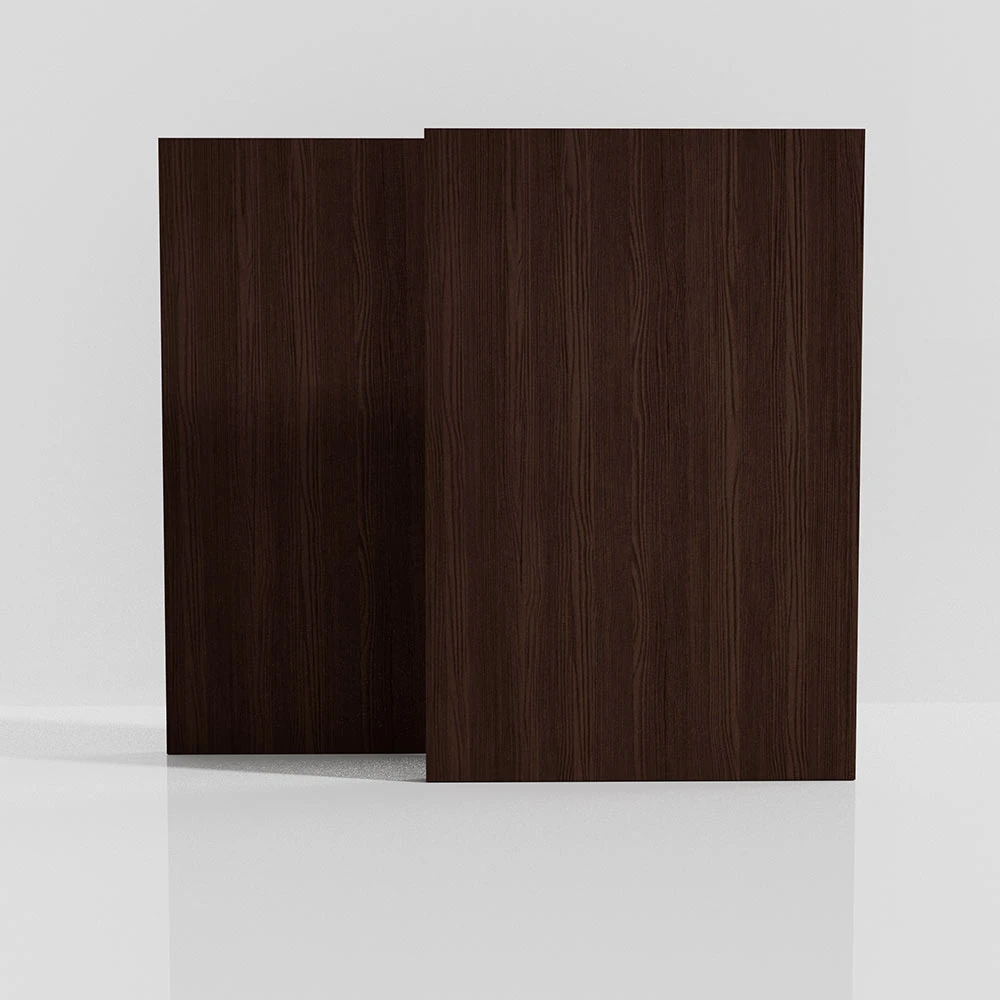
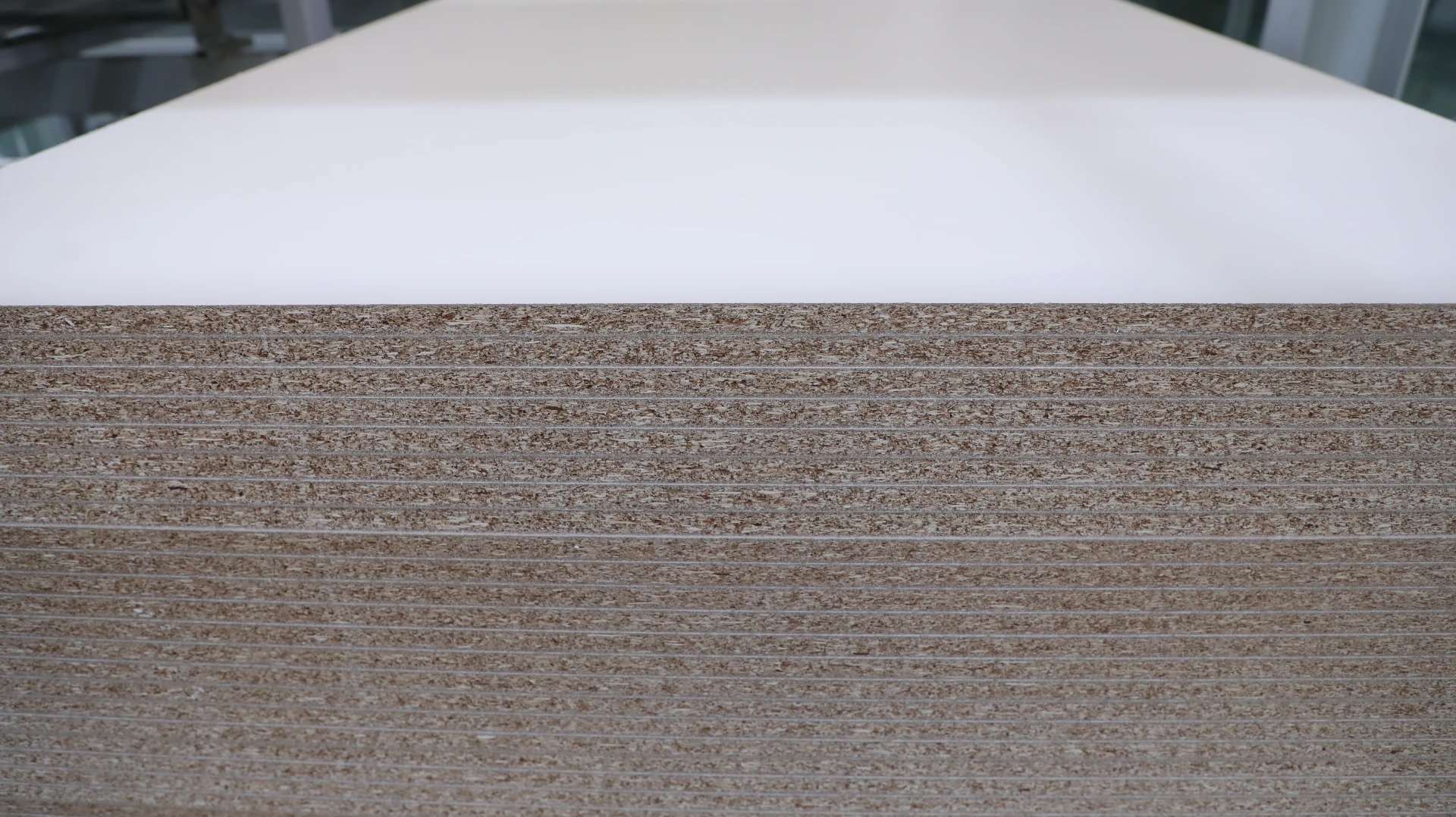
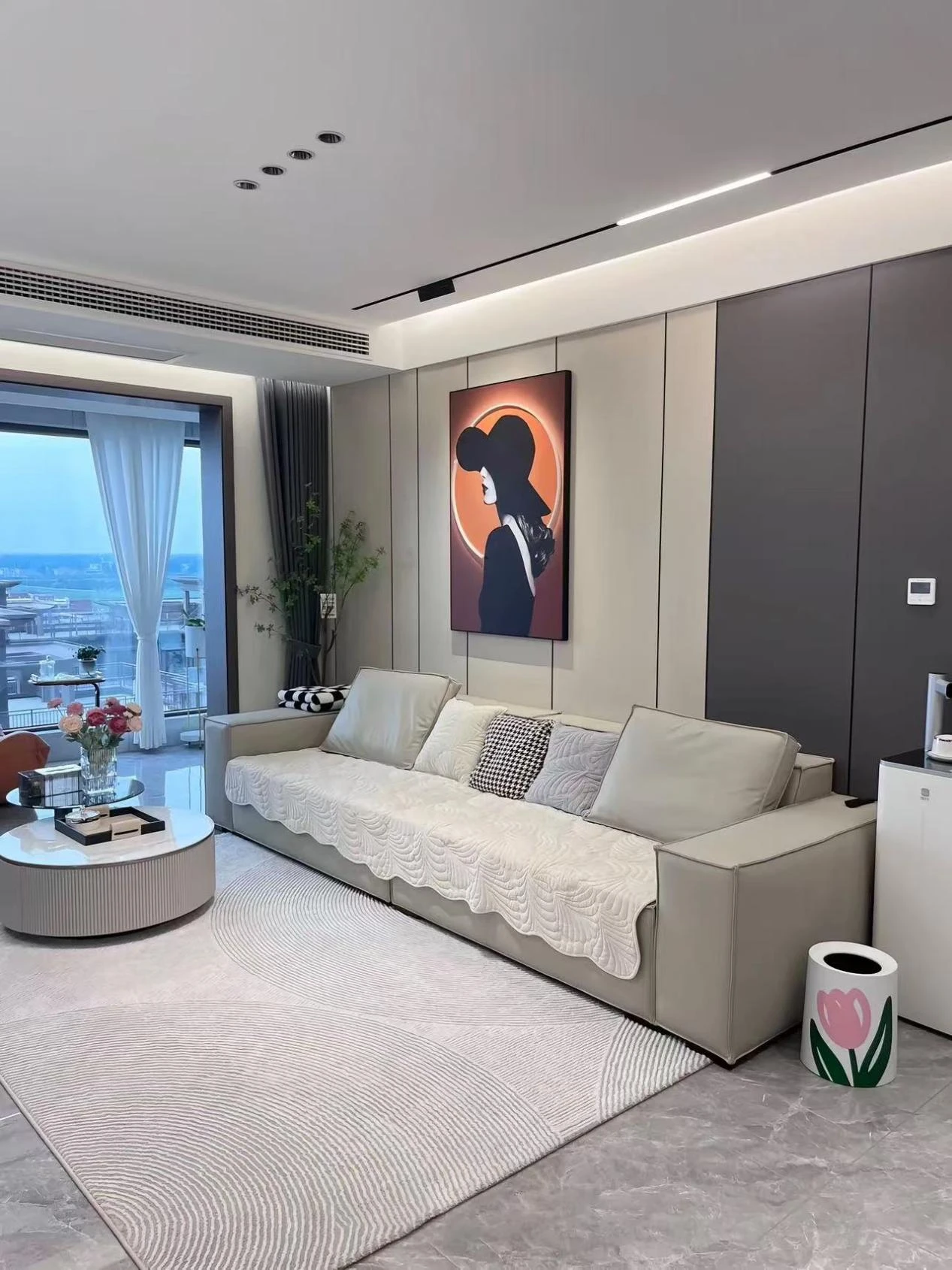
A field report on Arctic Ash : the cool-toned ash panel specifiers keep asking me about I’ve spent a chunk of this year walking factory floors from Hebei to the Pearl River Delta, and one décor that keeps popping up in millwork shops is Arctic Ash . It’s a melamine-faced MDF with a pale, slightly desaturated ash grain—Scandi without the chill, if that makes sense. Coming out of No.8 Xinxing Street, North Zone, Zhengding High-tech Industrial Development Zone, Hebei, China, it’s positioned for furniture, retail fixtures, and hospitality joinery where consistent color and tight tolerances matter. And yes, many customers say the tone photographs beautifully for e‑commerce. Where the market is going (and why Arctic Ash fits) Designers are leaning hard into light, low-contrast woodgrains that play nice with stone and matte metals. Quick-ship programs, consistent batches, and verified emissions are the headline asks. To be honest, synchronized-pore textures used to be niche; now they’re table stakes on better projects. Arctic Ash leans into that with an even grain repeat and optional deeper pore emboss for close-up retail environments. Technical specification (typical values) Core material Eucalyptus/Poplar MDF, calibrated Surface Melamine-impregnated décor paper, ash grain; matte ≈5–8 GU; optional synchronized pore Thickness 5–25 mm standard (custom up to 30 mm) Density ≈720–760 kg/m³ (12 mm) Sheet size 1220×2440 mm; others on request Formaldehyde E1/E0; CARB Phase 2 & TSCA Title VI compliant Moisture content 6–10% Abrasion (Taber) ≥400–600 cycles, CS-10, 1 kg (ASTM D4060, typical—real-world use may vary) Screw holding Face ≈≥1200 N; Edge ≈≥800 N (ASTM D1037) Service life 10–15 years in interior use with proper installation Certifications TSCA Title VI, CARB P2; EN 717-1 testing; factory QA per GB/T 11718 Process flow, testing, and QC Materials: selected hardwood/softwood fibers are blended with low-emission UF resin; MDI options for stricter specs. Methods: hot pressing with décor paper at ≈170–190°C and 25–35 kg/cm², then calibration sanding. Testing standards include EN 717-1 (emissions), EN 310 (MOR/MOE), EN 317 (thickness swelling), and ASTM D1037 mechanicals. Typical MOR for 12 mm lands around 23–35 MPa; MOE ≈ 2500–3500 MPa. Color consistency is checked with a spectrophotometer (ΔE ≤0.8 within batch). Frankly, that ΔE discipline is what keeps retail rollouts looking uniform across stores. Applications and advantages Retail fixtures and shelving where light reflectance and durable faces matter. Cabinet fronts and carcasses; matching PVC/ABS edgeband 0.6–2.0 mm. Hospitality millwork, wall systems, closet programs, RV interiors. Advantages: clean edges, stable core, easy CNC, color that pairs with warm whites and nickel hardware. Customer feedback? It seems installers like that edges don’t crumble on tight radii, and buyers keep noting the “not-too-grey” tone. I guess that’s the sweet spot right now. Vendor comparison (indicative) Vendor Emission Density tolerance Lead time Customization Notes Tengfei ( Arctic Ash ) TSCA/CARB, E0/E1 ≈±40–50 kg/m³ ≈15–25 days Texture depth, size, backer Strong batch color control Competitor A (import MDF) E1 ≈±60 kg/m³ ≈30–45 days Limited décor range Good price on large MOQ Competitor B (local PB+laminate) TSCA/CARB ≈±80 kg/m³ (PB core) ≈10–20 days High décor flexibility Heavier; edge chipping risk Customization and project flow Options: pore depth, gloss level, reverse-side balancing paper, cut-to-size, and matching edgeband. Typical flow: spec confirmation → lab sample (≈7–10 days) → pilot batch with ΔE report → full run → third-party emissions test (on request) → packing with corner protection. Simple, but the middle steps prevent on-site surprises. Field notes: quick case studies Fashion retail (APAC, 120 stores): Arctic Ash shelving and cash-wrap cladding; ΔE across three batches held under 0.9. Store staff reported fewer scuffs than previous veneer install after 6 months. Boutique hotel (EU, 88 keys): wardrobe doors and headboard panels; installer praised consistent 12 mm thickness (caliper drift ≤0.08 mm over set). Authoritative citations US EPA TSCA Title VI Formaldehyde Standards for Composite Wood Products: https://www.epa.gov/formaldehyde CARB ATCM 93120 (Phase 2) Formaldehyde Emissions: https://ww2.arb.ca.gov/resources/fact-sheets/composite-wood-products-ATCM EN 717-1: Formaldehyde release by chamber method: https://standards.iteh.ai/catalog/standards/cen/3b5a6ff1-0c06-4a9b-9d1b-9c9a7b4b7a9d/en-717-1 ASTM D1037: Standard Tests for Wood-Base Fiber and Particle Panel Materials: https://www.astm.org/d1037